
Why Open-Source Intelligence Matters
Written by TJ Kuo
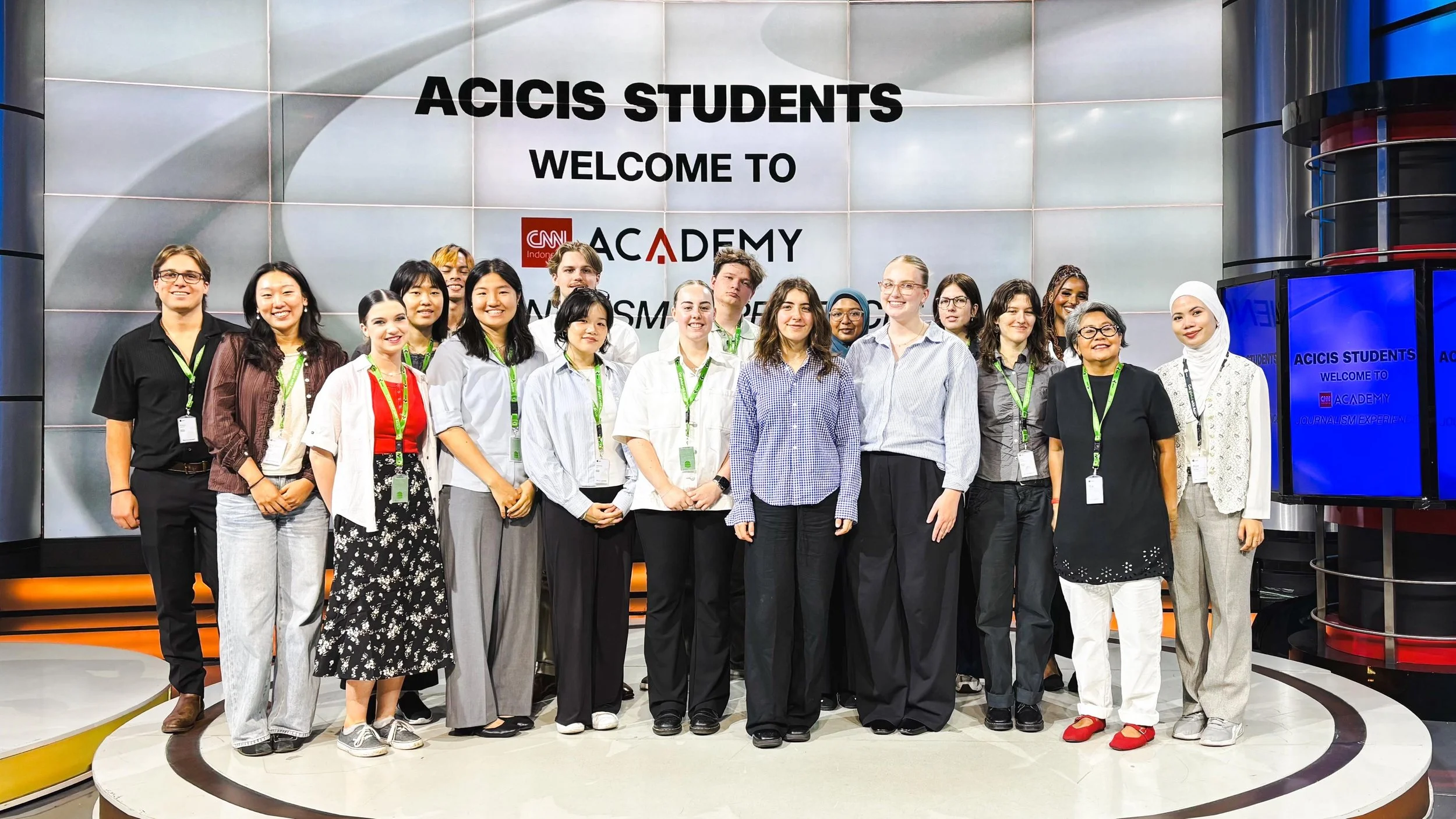
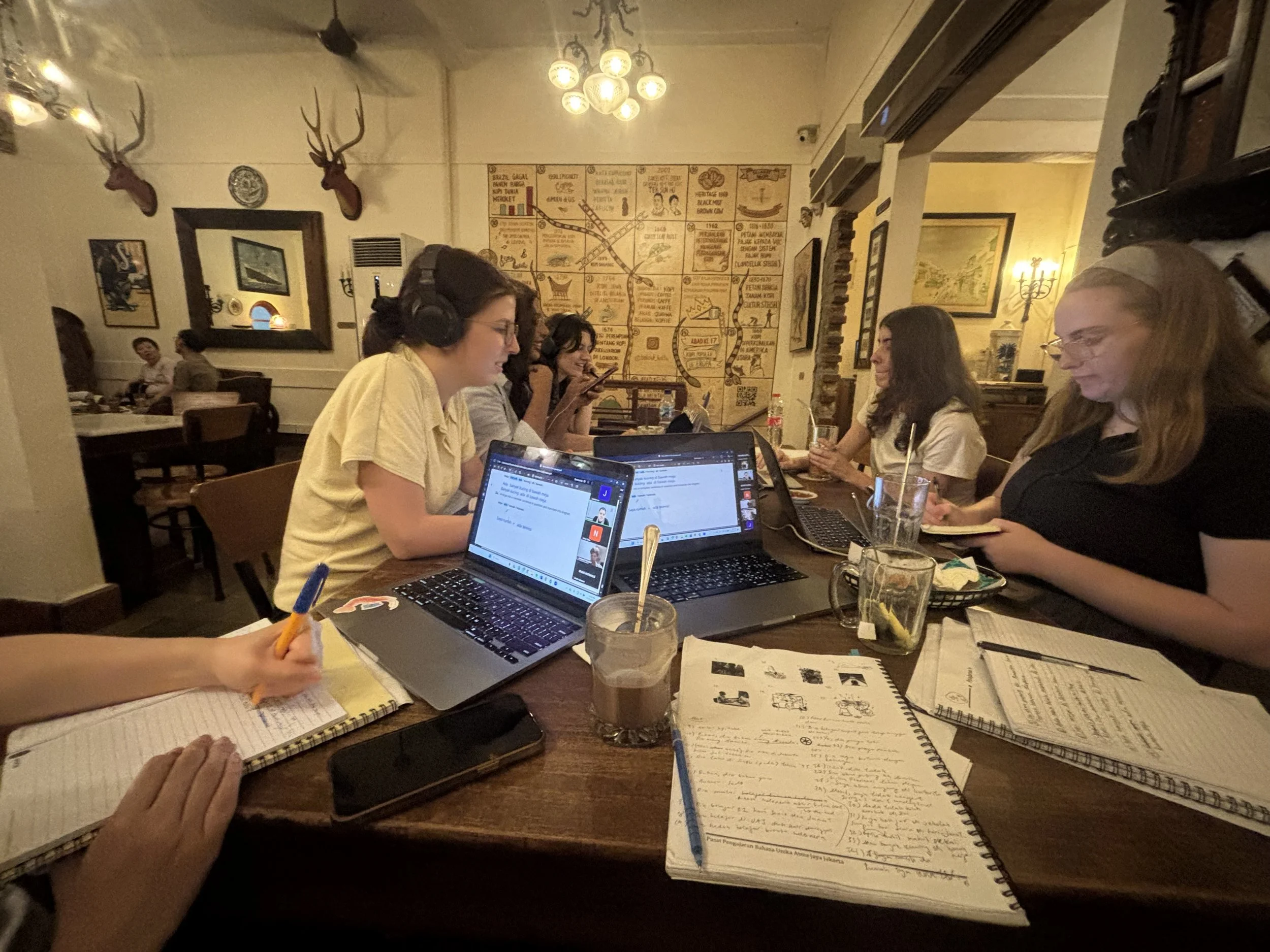

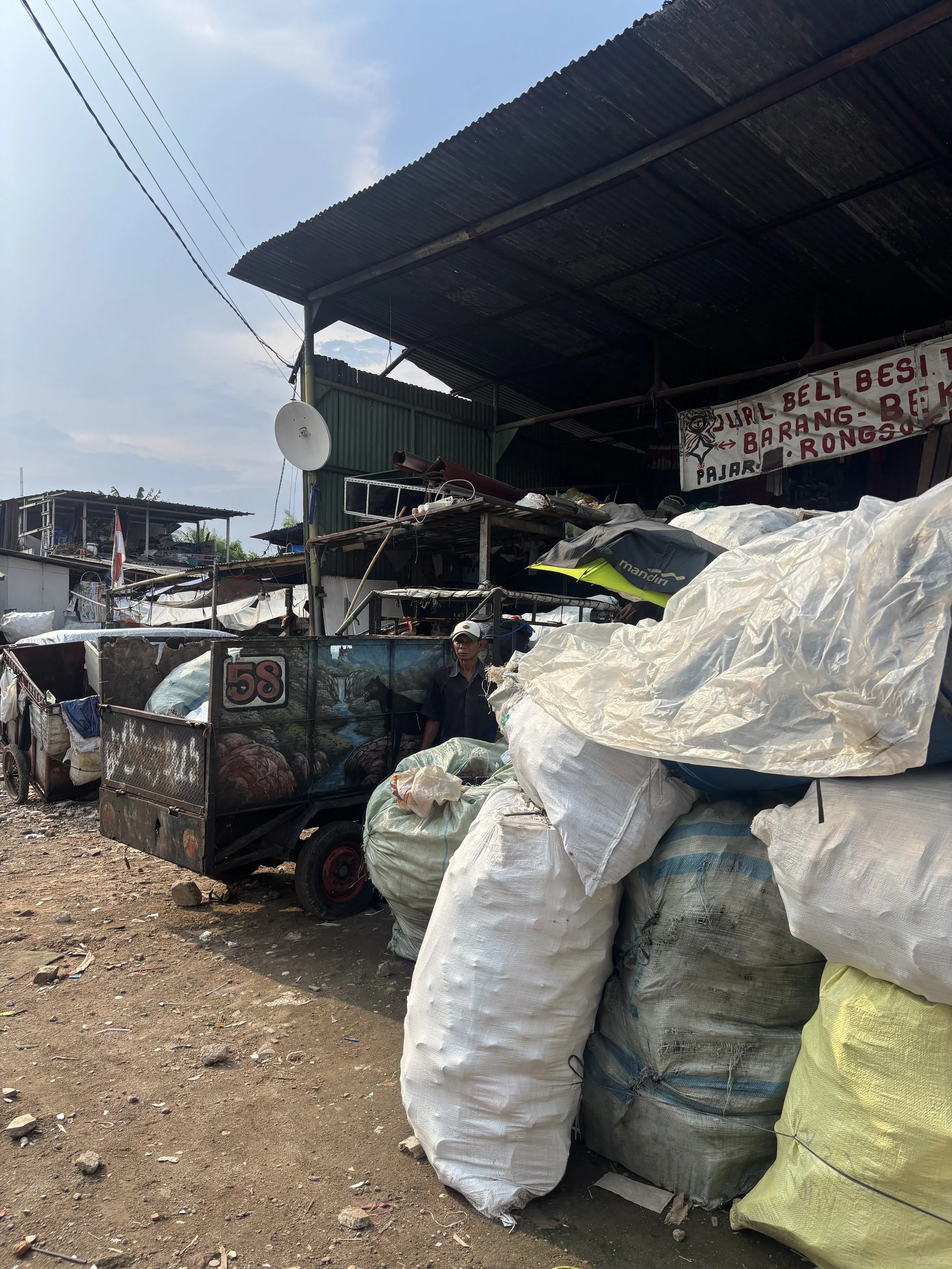
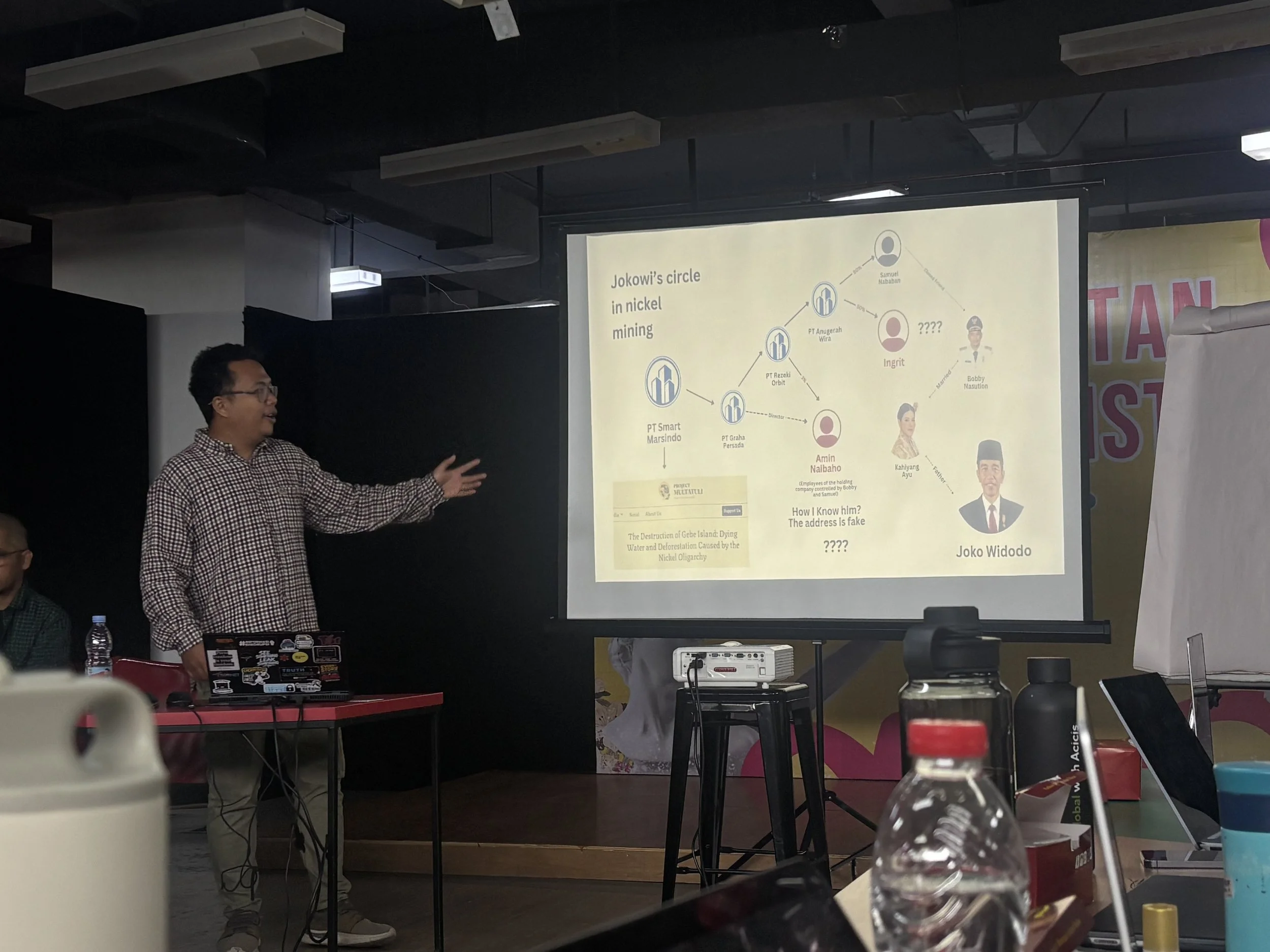
It’s one thing to hear about Jakarta’s traffic, something else entirely to experience it yourself. Stuck in a car crawling forward for hours like a scale on some great serpent, I have the lucky luxury of thinking about this city rather than how to fill my stomach later.
Aside from the concept of ‘Jam Karet’ (rubber time), a handy excuse for when you’re late, regardless of whether it was on account of traffic, one of the first words I learnt in Bahasa Indonesia was ‘banjir’, or flood. I had experienced ‘banjir’ in many ways, reporting on the Sumatra floods of late 2025 during my placement at the feminist digital outlet Magdalene, as part of the Acicis Journalism Professional Practicum. But more so, I was overwhelmed by the sights, smells, and feelings of this city of contrasts, stark in a way I’d never seen.
Staring out the window, I saw roads lined with uneven gutters and flakes of plastic trash, food truck mobiles and industrial goods sellers, pots, durians, cardboard boxes of electronics, mannequins, sellers all baking in the 40 degrees year-round heat, silver attach-on spires, mannequins, wires, dirty rivers, a horse with a broken leg, trash collection facilities, big trees, skinny cats with a hunger in their eyes, daily prayers rising like heat into skies smogged and criss-crossed by exposed wiring.
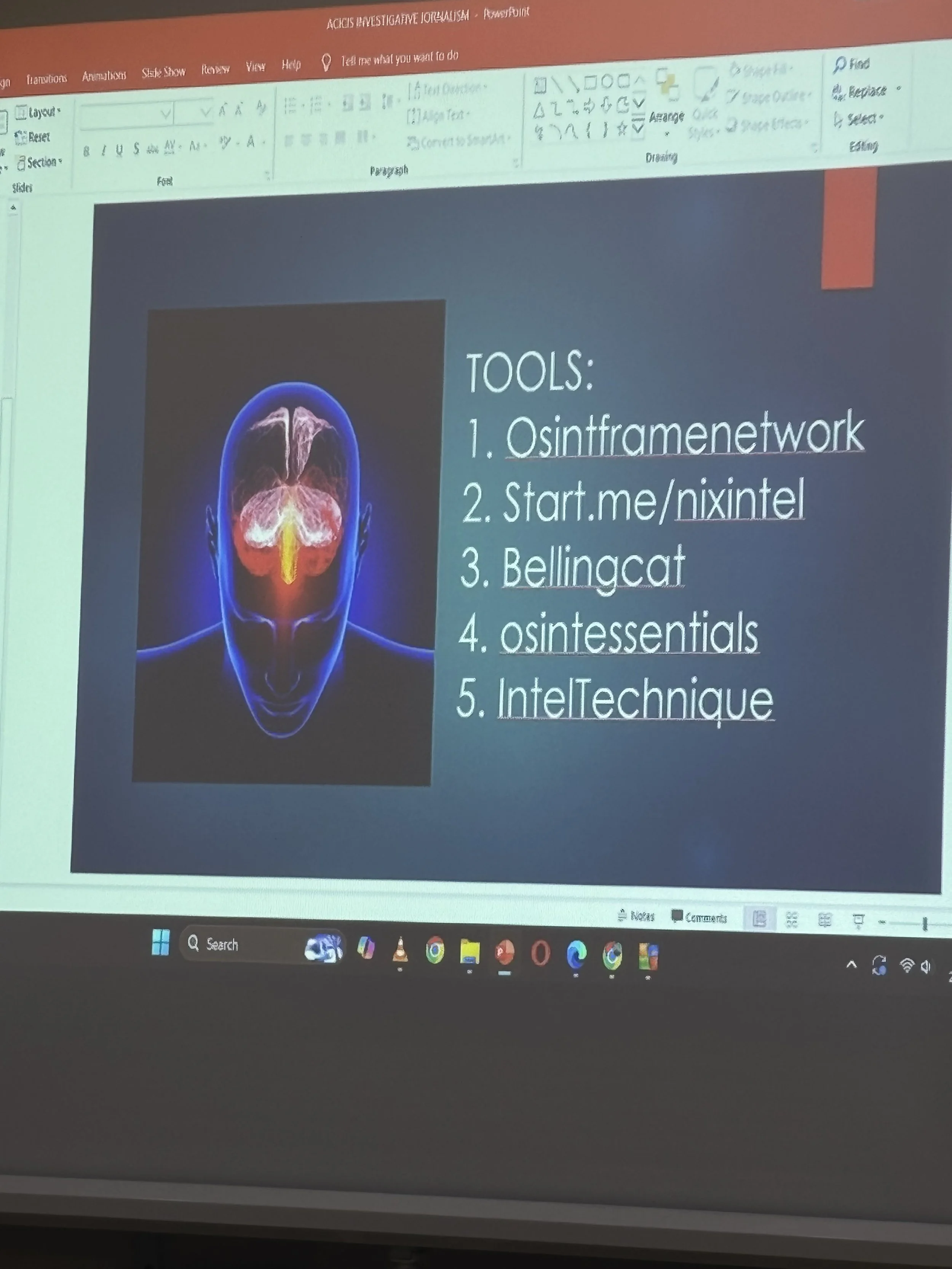
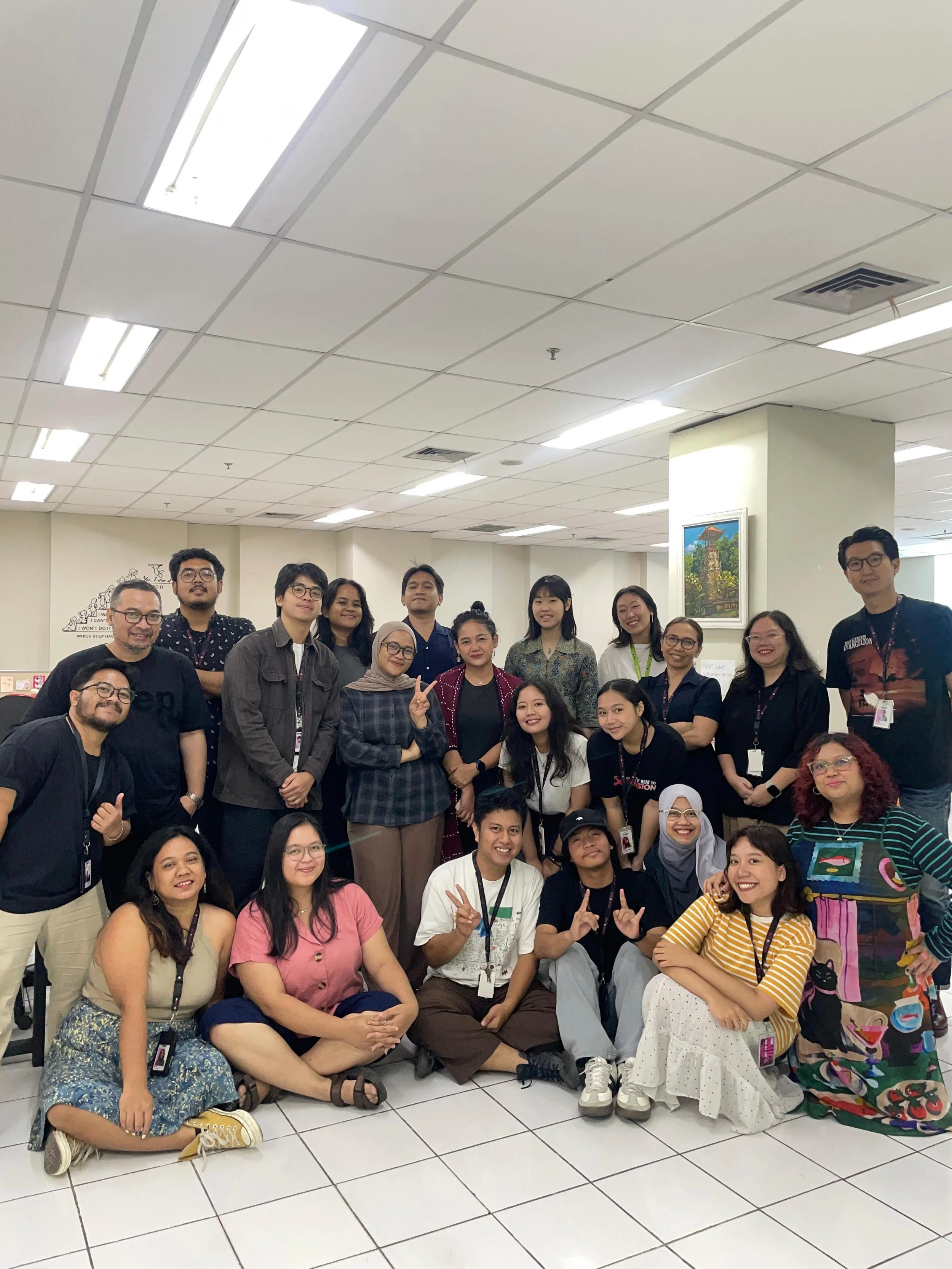
Processing poverty and hearing stories of cruelty and violence in torrents of unlearning and learning, my education in Jakarta was something out of the realm of even my imagination. All this was a backdrop for sitting in the batcave-like office of Tempo Media Group, one of Indonesia's most storied investigative outlets, listening to seasoned journalist Aqwam Fiazmi Hanifan walk 17 journalism students through open-source intelligence (OSINT).
Most of us had never even heard of OSINT before that afternoon, or ever asked questions like how do you trace a photograph’s origins? How do you pinpoint the time of day a video was filmed? How do you cross-reference satellite and street-level imagery? We quickly learned how crucial a skillset OSINT is for the modern journalist, especially in difficult-to reach and/or dangerous contexts to investigate like Indonesia. Journalists in regions like these carry the weight of exposing government corruption in favour of human rights and environmental justice that has no other recourse, while trying to remain safe themselves.
Aqwam has gone independent from Narasi TV, the outlet he had long called home. A colleague has spoken about his concern for Aqwam's safety since the move. This is not abstract anxiety. Indonesia ranks among the most dangerous countries in the Asia-Pacific for press freedom, with a history of journalists facing criminalisation, intimidation, and violence for doing exactly what Aqwam was teaching us to do: find the truth, buried in publicly available information, and expose it.
This context reframed journalism for me. Back in Sydney or Taipei, the journalism industry’s decline is palpable, with funding drying up and fact-checking programs quietly defunded, where an unpaid internship needs to be fought over. But in Jakarta, I saw journalists building something more durable than institutional support: a methodology that couldn't be taken away, grounded in radical collaboration. There was a real sense of urgency and purpose to our work.
I put it to use immediately. At Magdalene, my fellow intern Sharon and I launched a data investigation into how Indonesian government officials framed their responses on Instagram in the first seventy-two hours of the Sumatra floods, comparing performative posting with disaster management law and the lived experiences of volunteers on the ground. When we turned to Indonesia's National Disaster Agency for official statistics, we found the raw data intentionally buried: dashboards showing processed numbers, access portals difficult to navigate, inconsistencies suggesting underreported areas. OSINT was a rigorous path through: downloading raw files, triangulating with interview accounts, and refusing to let a government-curated chart stand in for an unquestioned truth.
I hear that there was only one journalism student enrolled at the upcoming cohort of the national university when I visited. In a country of 270 million people, with a press freedom ranking that continues to fall, the pool of journalists trained to look a little closer is thin. Programs like Acicis, which fund Australian and New Zealand students to work inside Indonesian newsrooms, are part of how that changes. They build skills but also more importantly, relationships, understanding, and the kind of genuine curiosity and passion about the region that no briefing paper can manufacture.
OSINT is often dismissed as a niche cybersecurity concern. It isn't. It is a systematic, lateral, and humble mindset about what it doesn't yet know and how it can find out, more urgently needed now than ever, in Indonesia and everywhere.
About TJ
Ting-Jen (TJ) Kuo is a Master of Sustainability student at the University of Sydney. Completing her Bachelor's degree in Media Studies and International Relations, she took part in the ACICIS Journalism Professional Practicum in November and December 2025, a five-week program supported by the Australian Government's New Colombo Plan, that places Australian and New Zealand university students in professional media roles across Indonesia. She was based in Jakarta, where she interned at Magdalene, an independent women-focused digital media outlet. Her work focused on open-source intelligence analysis during the Sumatra floods in late 2025.
The views expressed by the author are their own and do not necessarily reflect those of the Indonesia Council or any organisations they are affiliated with or mentioned. All photos published in this article are supplied by the author.